Wiring diagrams are crucial when installing a 10 kW generator transfer switch, ensuring that your system operates efficiently and safely. However, many people make common mistakes during the wiring process that can lead to serious issues, including equipment damage and safety hazards. This article will explore those mistakes, provide tips on how to avoid them, and detail the key components involved in a generator transfer switch setup.
Understanding the Basics of Generator Transfer Switches

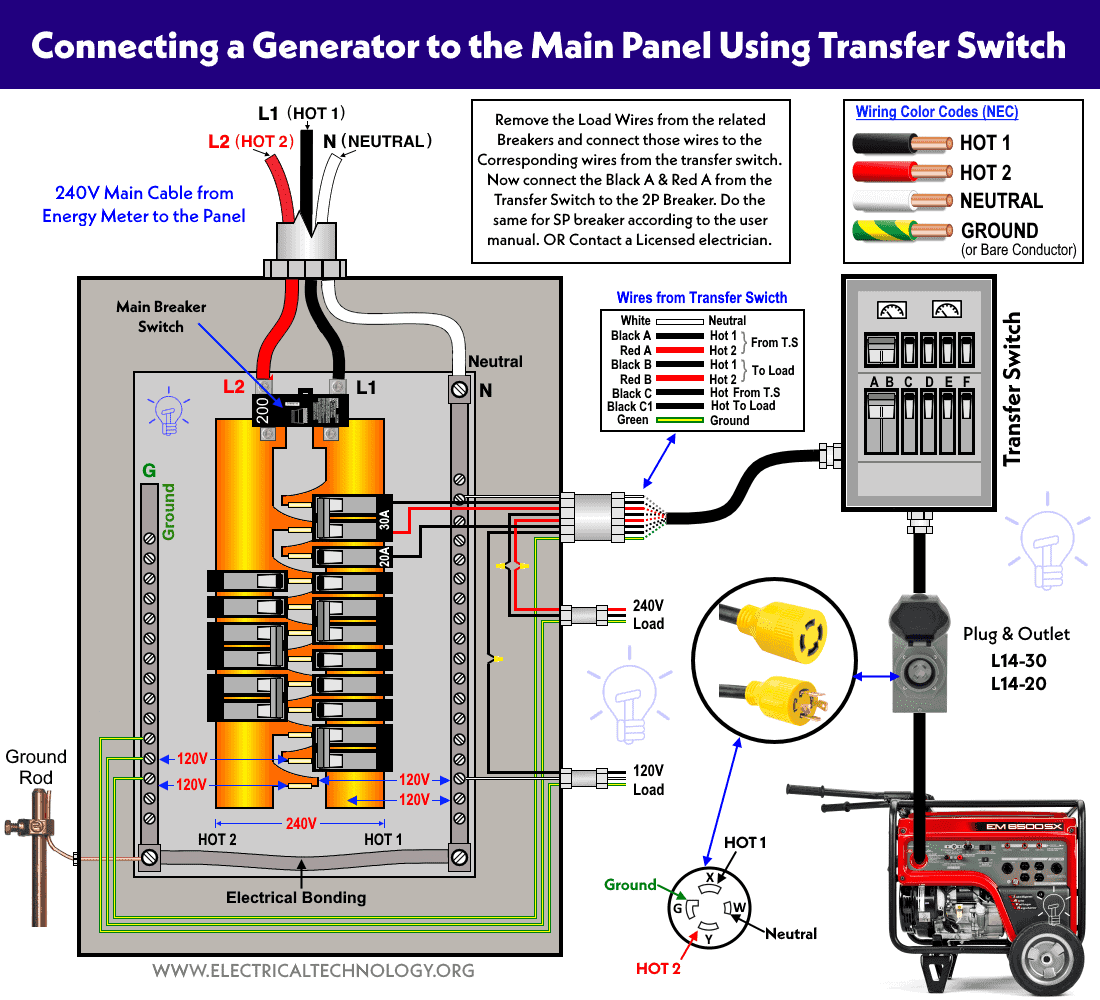
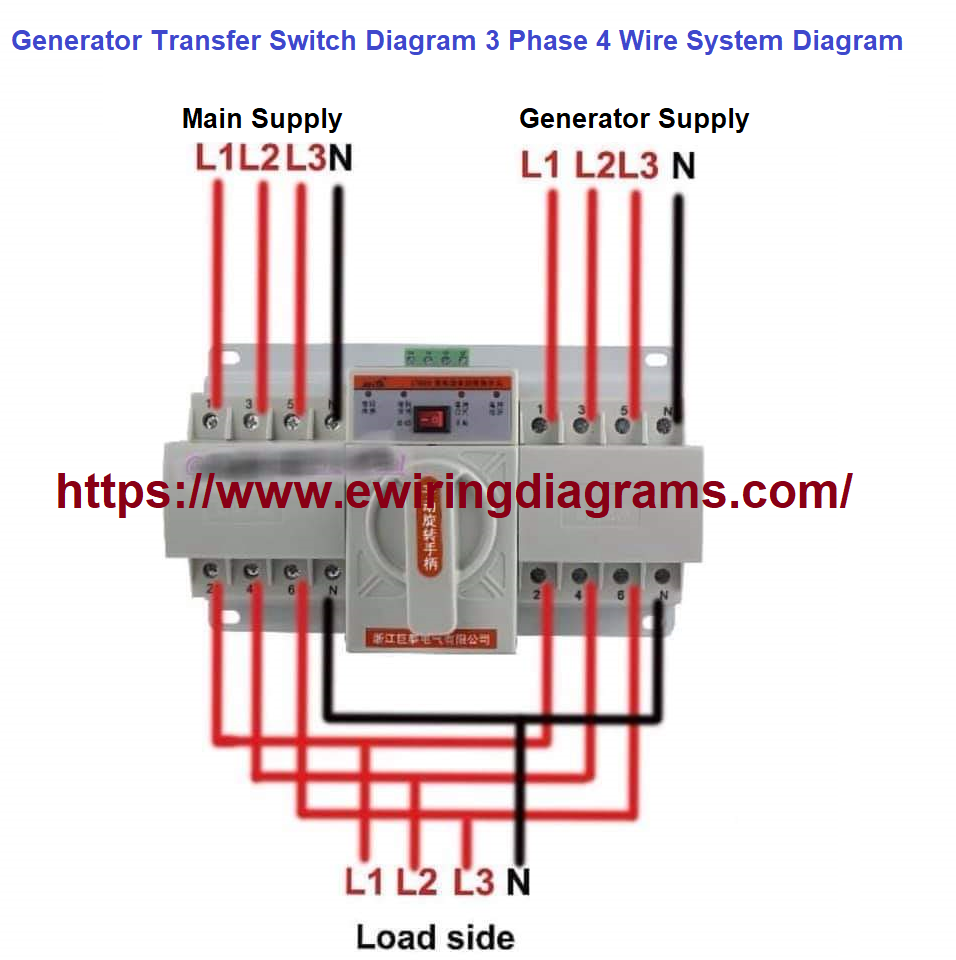
A generator transfer switch is a device that allows you to safely switch between utility power and generator power. It prevents back-feeding, ensuring the generator provides power to your home without risking utility workers’ safety. The main components of a transfer switch include:
- Main Switch: Controls the flow of electricity from the generator or utility to your home.
- Breakers: Protect the circuit from overloads.
- Connectors: Facilitate the connection between the generator and the transfer switch.
- Indicator Lights: Show the operational status of the generator and transfer switch.
Understanding these components is essential in creating accurate wiring diagrams that function as intended.
Common Mistakes in Wiring Diagrams

When creating or following a wiring diagram for a 10 kW generator transfer switch, several common mistakes can occur:
- Incorrect Sizing: Not accounting for the power requirements can lead to overloading the system.
- Mislabeling Wires: Ensuring that wires are properly labeled is critical to avoid confusion during installation.
- Neglecting Grounding: Failing to ground the generator and transfer switch can lead to electrical shocks or equipment damage.
- Improper Connections: Connecting wires in the wrong order can cause circuit failures and may result in dangerous situations.
Being aware of these mistakes is the first step in preventing them.
Step-by-Step Wiring Instructions
To ensure a safe and effective installation of your 10 kW generator transfer switch, follow these detailed steps:
- Gather Tools and Materials: You’ll need wire cutters, electrical tape, a screwdriver, a multimeter, and the appropriate wires as per your generator’s specifications.
- Turn Off Power: Always ensure that the main power supply is turned off before beginning any wiring work.
- Connect the Generator: Begin by connecting the generator to the transfer switch. Use the correct gauge wire as specified in the generator’s manual.
- Connect the Main Switch: Wire the main switch to the utility power supply. This switch should allow for a seamless transition between the two power sources.
- Install Breakers: Add breakers to protect the circuits connected through the transfer switch. Make sure they are rated appropriately for your generator’s output.
- Ground the System: Connect the grounding wire from the generator to the transfer switch to ensure safety.
- Label Wires: Clearly label each wire according to its function to avoid confusion in the future.
- Test the System: Once everything is connected, turn the power back on and test the system to ensure it operates correctly.
Following these steps methodically will help you avoid many common errors associated with wiring diagrams.
Troubleshooting Common Issues
Even with careful planning and installation, issues may arise. Here are some common troubleshooting tips:
- No Power Output: Check that the generator is running and that all connections are secure. Verify that all circuit breakers are in the ‘on’ position.
- Intermittent Power Supply: Inspect the wiring for any loose connections or damaged insulation.
- Generator Overloading: Ensure that the combined load from the home does not exceed the generator’s capacity. Disconnect non-essential devices and check load calculations.
If problems persist, consult a professional electrician who specializes in generator installations.
Safety Precautions When Working with Electrical Systems
Safety should always be your top priority when working with electrical systems. Here are some vital safety tips:
- Always Disconnect Power: Before starting any installation or maintenance work, ensure the main power supply is completely disconnected.
- Use Personal Protective Equipment: Wearing gloves and safety goggles can help protect against accidental shocks or injuries.
- Follow Local Codes: Adhere to local electrical codes and regulations to ensure compliance and safety.
- Consult Professionals: If in doubt, hire a licensed electrician to handle the installation or troubleshooting process.
By taking these precautions, you can significantly reduce the risk of accidents during your installation.
In summary, avoiding common mistakes in wiring diagrams for 10 kW generator transfer switches requires a thorough understanding of the components involved, careful planning, and adherence to safety protocols. By following the steps outlined in this article, you’ll be better equipped to create effective wiring diagrams and safely install your generator transfer switch.

